


Hayloo Unchained by JFederer – Q3 2026, Rapperswil-Jona, Switzerland, September 30, 2026
01 Kimmel Is Still On
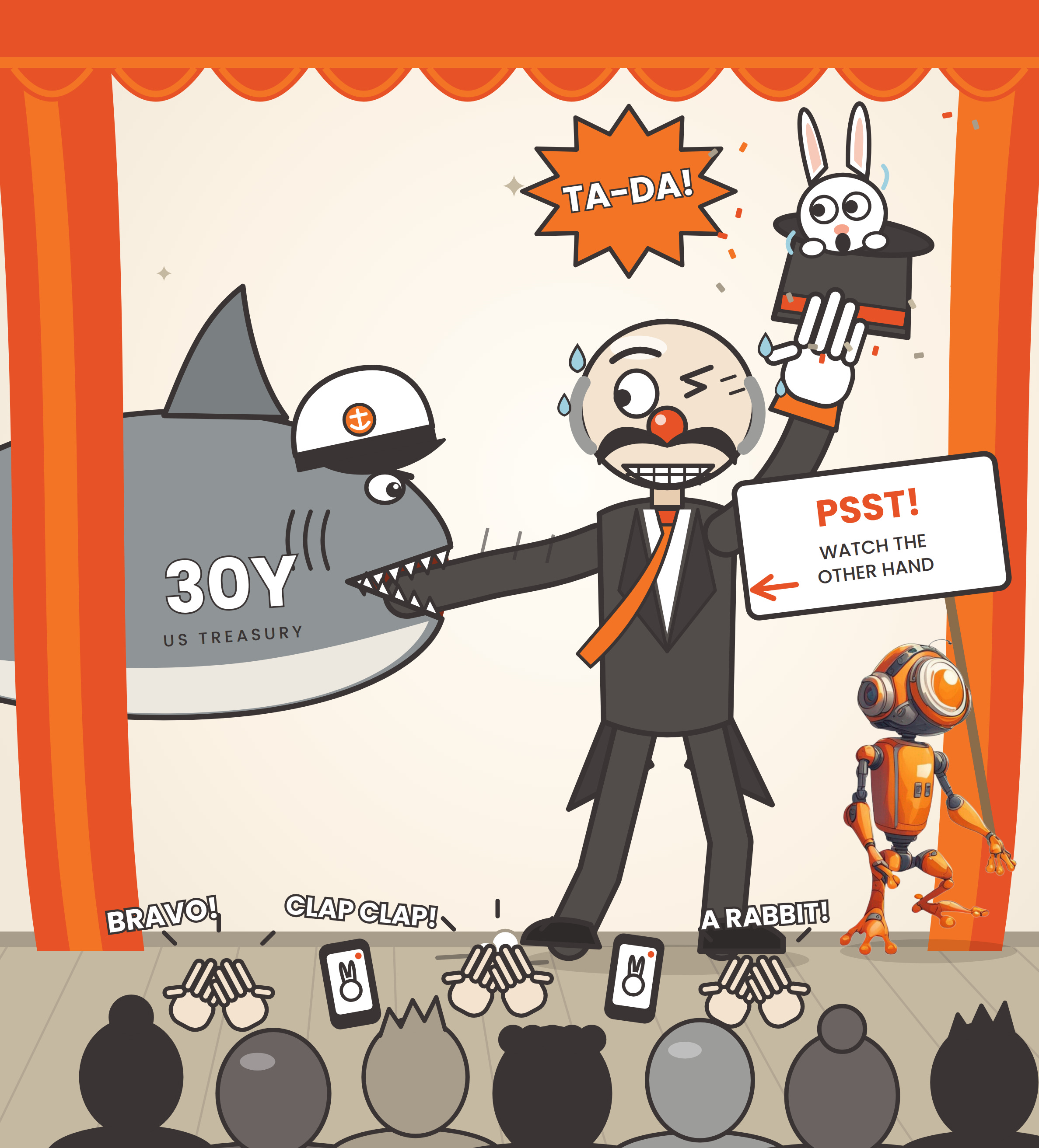
Jimmy Kimmel is still on the air. I checked. Monday night, same orange tie, same falling empire, the same dozen eggs pinned on the same man, the Donald. The audience laughs on cue, the man on stage screams for money on cue, and the trick still works for the reason it worked in June: it’s easier to be angry at the magician’s left hand than studying what the right hand does.
In June we asked you to watch the other hand. We handed you the one price on this earth that no president, no Fed chair and no late-night host can set by decree, the thirty-year Treasury bond, and we made you a deal. If the war ended, and oil collapsed, and the long end still wouldn’t come down, then the thing setting the price of money was never the war and never the economy. It was the debt.
The Magician's Left Hand

Half the planet says Donald Trump is to blame; the other half says he's the only one who can fix it. Both halves are watching the wrong hand. Here's the trick — and why the man we keep turning into a…
Now a second promise, and I’ll keep it by the last line of this quarterly. I’m going to show you what the right hand did for thirteen weeks. By the end, the dullest number in finance will read like the only honest witness left in the building.
02 Who’s Really Setting The Price of Money
Here’s the deal from June, and here’s where it stands. We set a clean test: war over, oil flat, long end still high. The war didn’t stay over. By mid-July the Strait of Hormuz was shut again, and by September crude was back above a hundred dollars. So anyone who wants to say the war did it after all has a case. Hello, Donald.
We don’t buy it, and here’s why. For nine days in September, oil fell and the thirty-year rose anyway. The barrel said relief. The price of money said otherwise. When the thing that supposedly drives inflation drops and the cost of borrowing climbs regardless, you’ve found out who’s really setting the price of money.
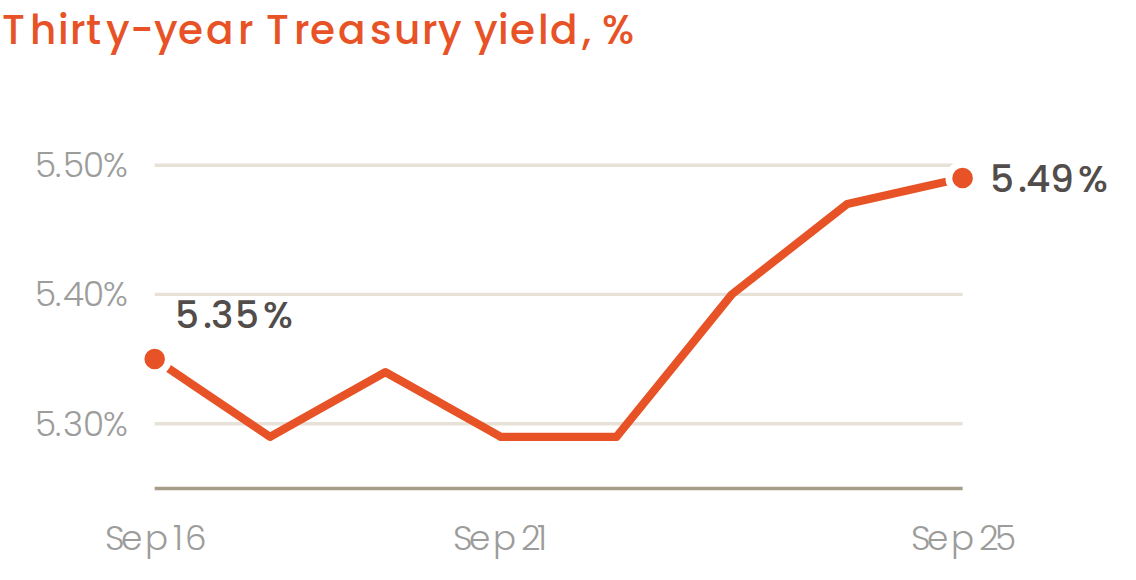
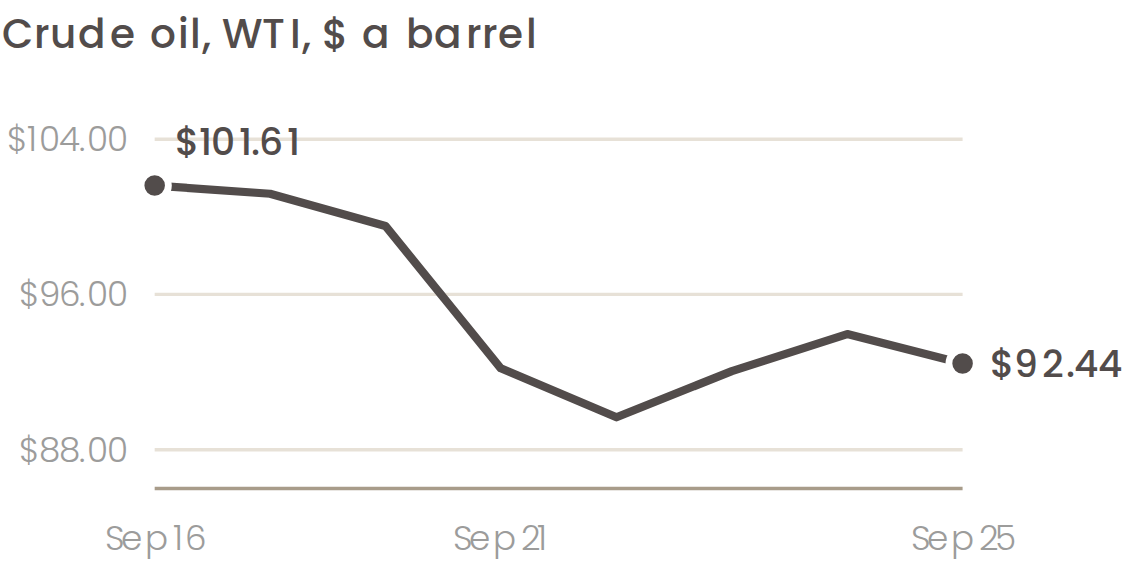
And the barrel lies twice. What lands on people’s heating bill this winter isn’t crude. It’s diesel, and American diesel set an all-time record above $6.50 a gallon on September 21, on crude’s fourth straight down day. The energy shortage isn’t in the strait of Hormuz anymore. It’s in the refineries. No peace treaty builds a refinery, and no rate hike puts gas in your car. Two central banks hiked into a supply shock that’s out of their hands anyway, because the alternative was letting the bond market do it for them. They’ve had enough of that already.
04 The Borrower Can’t Fire The Lender
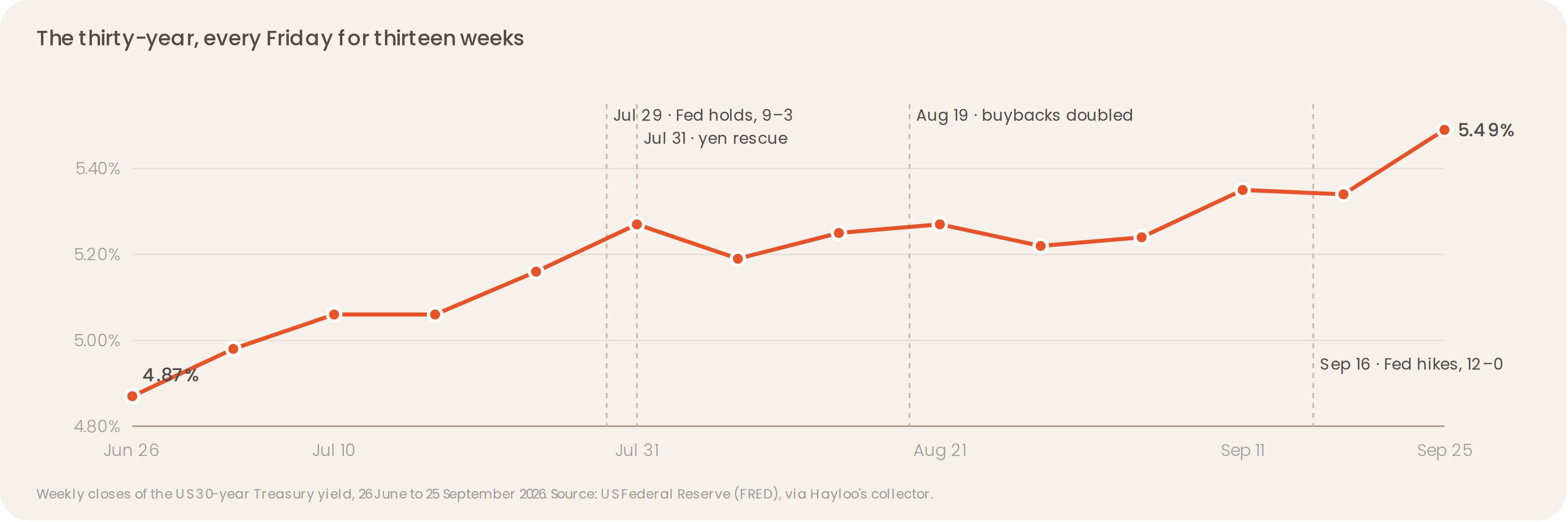
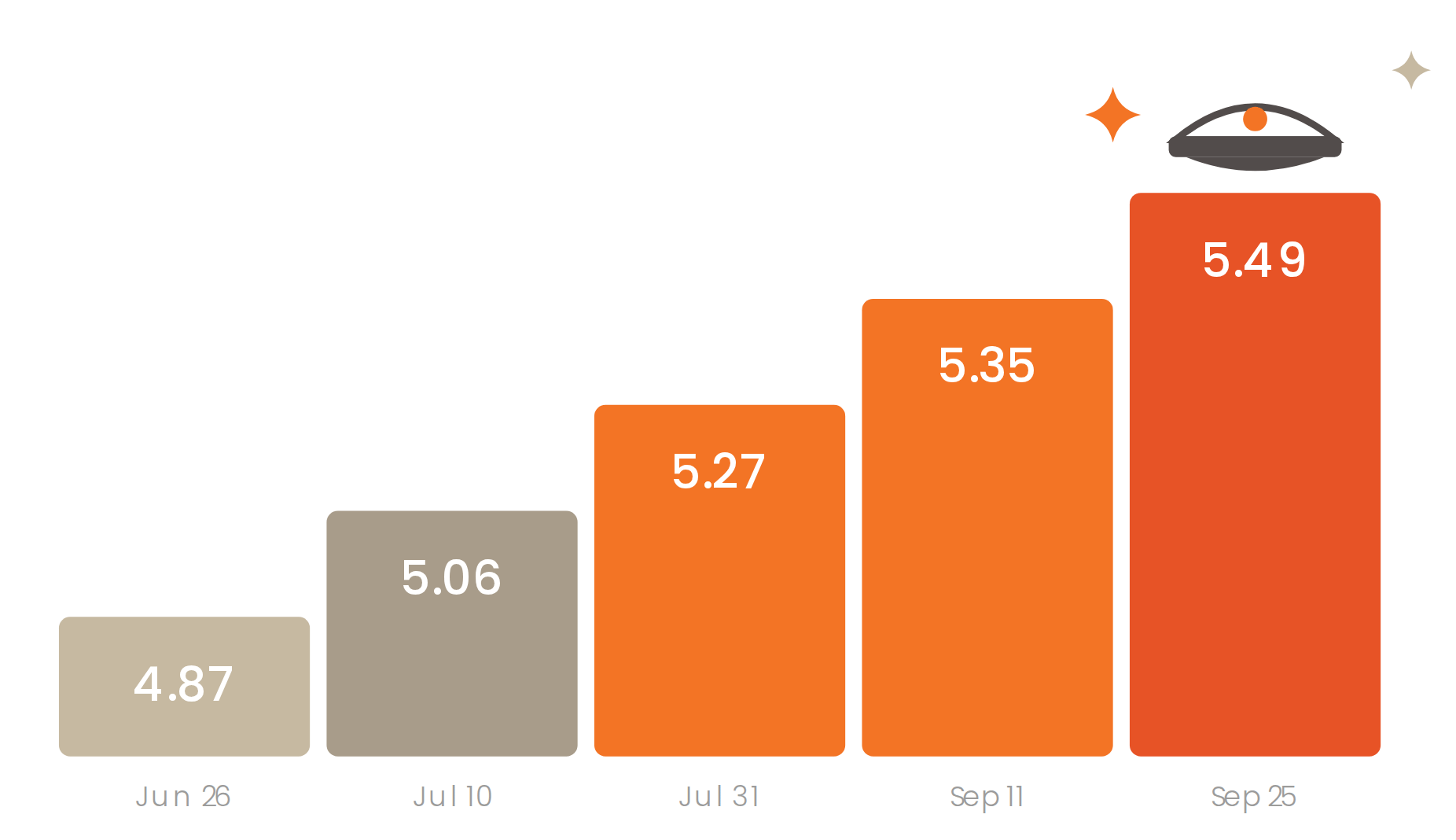
On June 26, the thirty-year closed the week at 4.87%. Last Friday it closed at 5.49%, the highest weekly close since 2002. Nobody who put on a red hat to make America great again voted for that number. Here's how the Trump administration lost control of it, week by week, because the path is the argument.
July 29
The Fed held rates, nine votes to three, the most rebellious room since 2016.
The Fed said nothing, exactly as the Donald ordered them to do.
The bond market said it for them: inside an hour the thirty-year was at a nineteen-year high.
July 31
The yen was bleeding, and it took Tokyo and the New York Fed working the phones together to stop it.
A currency that needs two treasuries to hold it up is broken.
Here’s the part that keeps Washington up at night: Japan is America’s biggest foreign lender. When Tokyo needs dollars, it sells Treasuries.
August
Washington ran a record $432 billion deficit in a single month, a quarter of it interest.
The interest bill for the year passed what America spends on its military.
Their lenders read the papers too.
August 19
Scott Bessent doubled the Treasury’s buybacks of its own long bonds.
Six days later Stanley Druckenmiller, the man who taught Bessent to trade, went to the Wall Street Journal under the headline “Let the Bond Market Speak” and told his old pupil, in public, to stop rigging the price of his own debt.
The relief lasted eight trading sessions. Then the thirty-year was back where it stood before the first dollar was spent.
September
Bessent wasn’t putting out fires anymore. He’d signed up for a Netflix subscription, in Japanese and in English, and the bill comes every month.
He tripled the buyback of his debt. Long yields rose anyway, and the whole planet went with them: British gilts at their highest since 2007, German Bunds back to 2011, Japan’s ten-year through 3% for the first time since 1996.
The bond market stopped telling governments apart and started grading them as one class, the class raised on debt, promises and mirages. Its ruling is in. The debt economy is about to meet its bastard child: refinancing.
September 15
The ten-year hit 5.04%, its highest since 2007.
September 16
The Fed hiked a quarter point, twelve votes to none, its first hike in more than three years. Two days later the Bank of Japan hiked too.
Read that order twice. The market moved on Tuesday. The Fed moved on Wednesday. To borrow a line from the movies: the bond market is the captain now. The Fed countersigned. And the price of money it set will reach into everything that happens in the next four years.
05 The Don Is Acting Like A Rich Kid
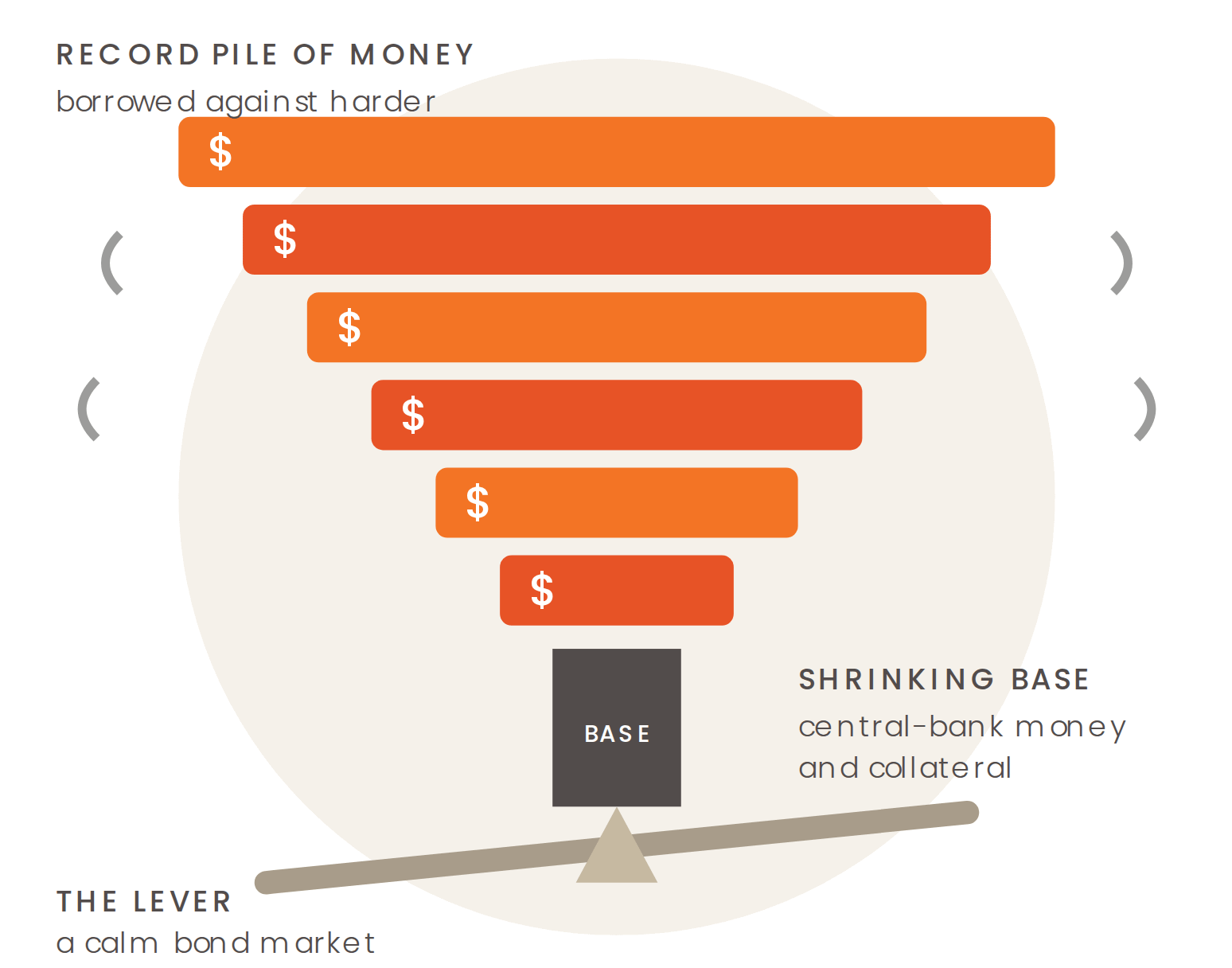
Michael Howell is an Englishman who publishes the most forward-looking indicator we use at Hayloo. His Substack, Capital Wars, measures the world’s pool of money, and by his count that pool hit a record in September. Look underneath the record and the base of it, the central-bank money and the collateral the whole system borrows against, shrank for a third straight week.
So where did the record come from? One lever. A bond market so calm that lenders ask for less collateral against more debt. In plain English: the dollars printed under Obama and Biden are now being borrowed against harder than ever under Trump. In the printing department the Don looks almost decent. What he does instead is worse. He stacks new debt on old debt on a foundation that’s getting smaller, like a rich kid who gets bailed out by daddy every time a repayment plan goes sour.
The calm that makes all this possible was bought and paid for, with those bond buybacks. In our September 23 piece we drew a line under the bond market’s fear gauge and made a call: if it breaks through, the record pile of money comes down with it. Last week it broke through. That’s a big fu*$ing deal. The biggest pile of money in the history of this planet, the thing behind pension funds, Elon Musk’s rocket promises and Nvidia’s circular financing, everything priced in dollars and leveraged with debt, is standing on a shrinking pile of collateral. And the foundation just started to shake.
06 Who Buys America’s Future?
Donald Trump has lived in debt his whole life. Kevin Warsh took the impossible chair and hiked into a war no interest rate can fight. Scott Bessent opened his wallet again and again and bought eight days of calm before the storm. And Jimmy Kimmel keeps pointing at all three for your entertainment. All four are clowns on a stage.
Watch the other hand. Every Friday it closed a little higher: 4.87, 5.06, 5.27, 5.35, 5.49. It didn’t care who won an argument, who got fired or who got blamed. It answered to $40 trillion of debt and to the one question no clown in the West can answer: who buys the next thirty years of America?
I promised you the dullest number in finance would read like the only honest witness in the building. It can’t be fired. It can’t be jawboned. It can’t be bought for longer than eight sessions. It’s the first thing I read every morning, before the news and before the day begins. The thirty-year Treasury bond is the captain now. It will reprice everything you consume, trade, and throw away.
The Magician's Left Hand
Half the planet says Donald Trump is to blame; the other half says he's the only one who can fix it. Both halves are watching the wrong hand. Here's the trick — and why the man we keep turning into a…
Disclaimer
The information is provided for information purposes only and on the basis that it will not be relied upon. No information contained herein constitutes a personal recommendation or investment advice.
The information (including any expressions of opinion or forecast) has been obtained from, or is based on, sources believed by the author to be reliable, but are not guaranteed as to their accuracy or completeness and should not be relied upon. The information is provided without obligation on the part of the author and on the understanding that any person who acts upon it or changes his investment position in reliance on it does so entirely at his own risk. The information does not constitute an offer to buy or sell or an invitation to make an offer to buy or sell any financial instrument.
Information is current only as at the date it is first posted and may no longer be true or complete when viewed by you. All information may be changed or amended without prior notice.
No representation, warranty or undertaking is given as to the accuracy or completeness of the information by the author and no liability is accepted by the author for the accuracy or completeness of such information. In no event will the author be liable to any person for any direct, indirect, special, or consequential damages arising out of any use of the information, including, without limitation, any lost profits.
You should be aware that the Internet is not a completely reliable transmission medium. The author does not accept any liability for any data transmission errors such as data loss or damage or alteration of any kind, including, but not limited to any direct, indirect or consequential damage, arising out of the use of the product or services referred to herein.
The materials provided here including text, photographs and other images, are protected by copyright and/or other intellectual property rights. All copyright (and any other intellectual property rights) in these materials is either owned by the author, or is used by the author under licence.